Find the moisture source
We inspect soil, walls, vents, plumbing, drainage, ducts, insulation, framing, and access conditions.
Atlanta crawl space encapsulation contractors
We do more than cover the dirt. Redline Restorations inspects the moisture path, explains what your crawl space actually needs, and builds a clear system for sealing, drainage, and humidity control.
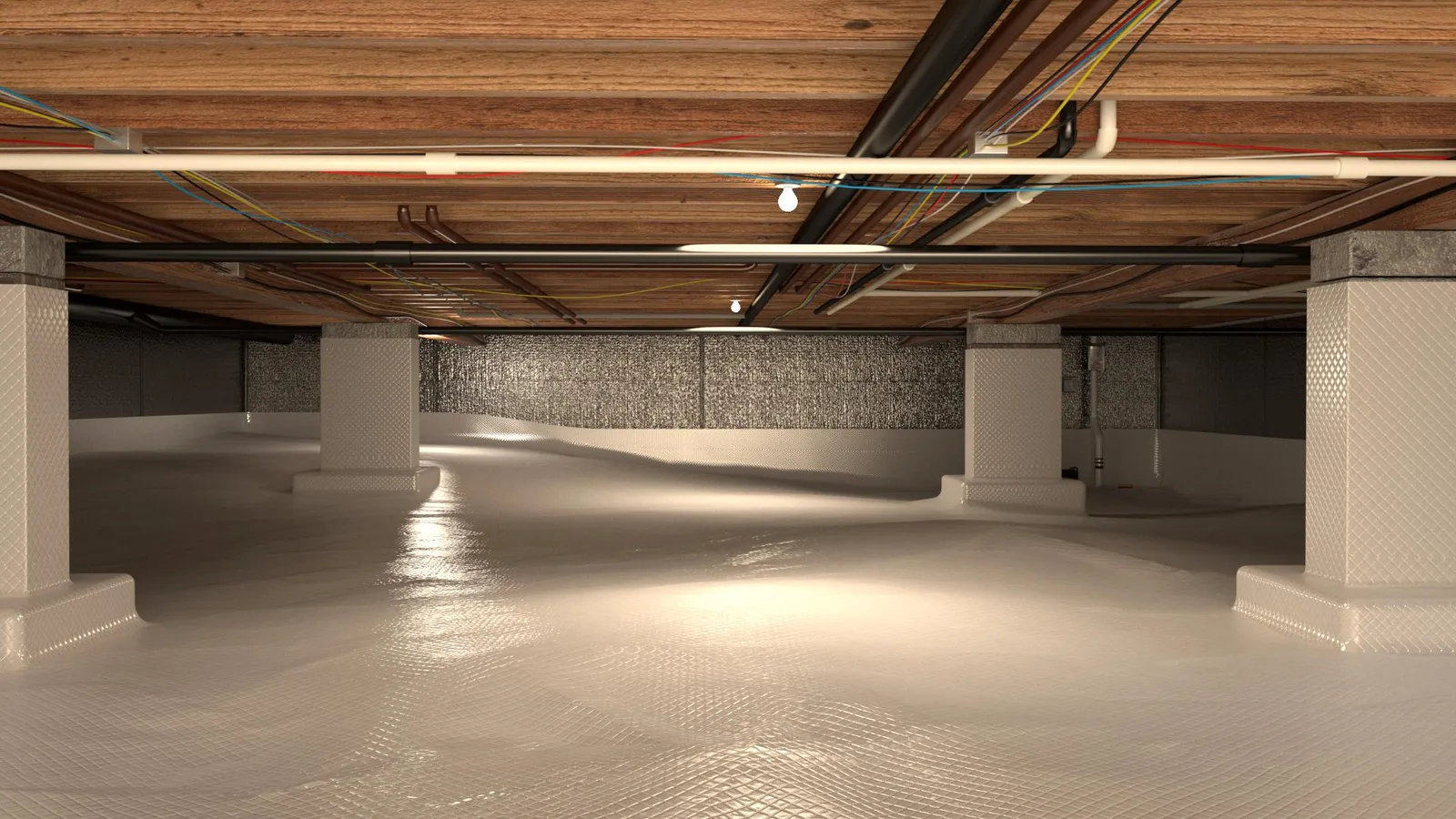
Crawl space encapsulation is a moisture-control system that separates exposed soil and foundation surfaces from the crawl-space air. A complete Atlanta project may also require drainage, vent and access-door sealing, a dependable dehumidifier drain, insulation changes, or mold cleanup. The correct scope depends on what the inspection finds—not on a standard package.
Musty odors · Damp insulation · Standing water · High humidity · Mold growth · Condensation · Soft floors
The difference is the diagnosis
The liner is only one part of the job. The right plan starts with why water or humidity is entering, what materials have been affected, and how the finished crawl space will stay controlled.
We inspect soil, walls, vents, plumbing, drainage, ducts, insulation, framing, and access conditions.
You receive a practical recommendation instead of an automatic one-size-fits-all package.
We explain the installed system, equipment, drainage, and ongoing maintenance needs.
Complete crawl space services
A complete moisture-control plan may combine encapsulation, drainage, vapor sealing, dehumidification, mold cleanup, and insulation work based on the conditions found during inspection.
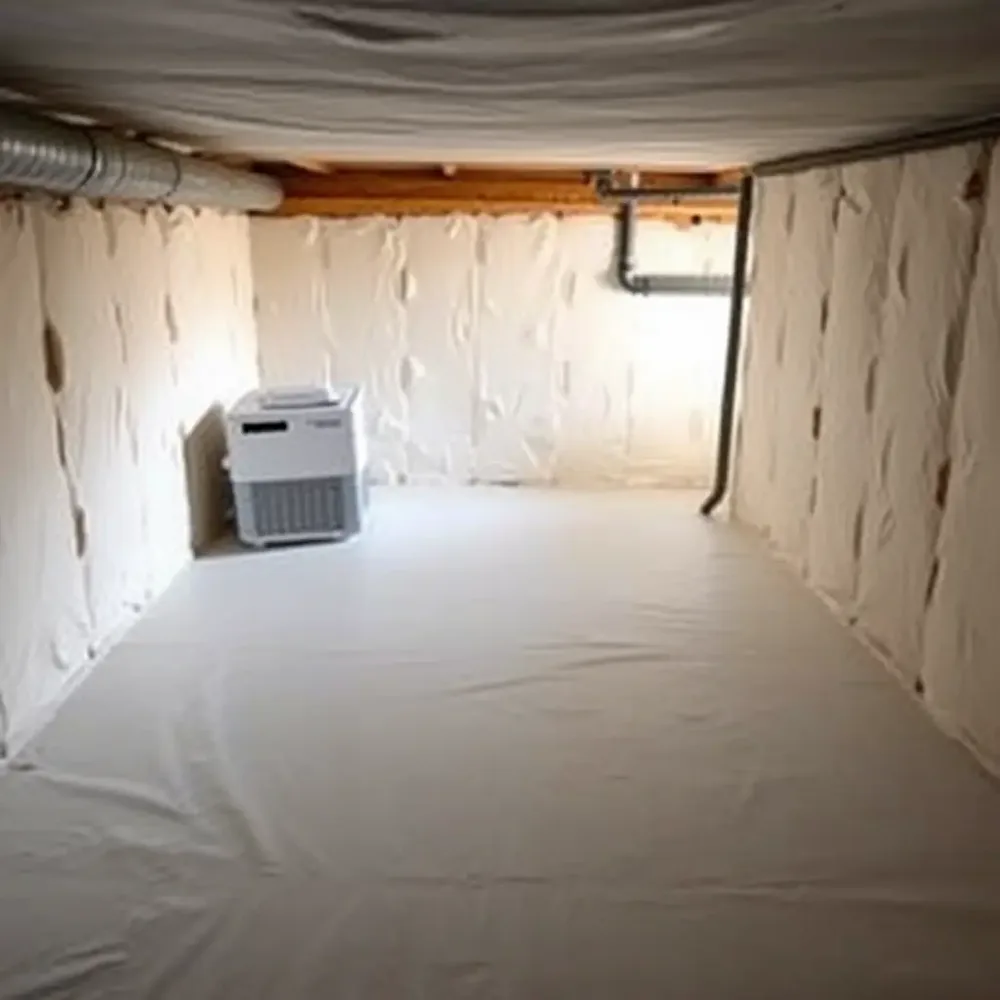
A complete system that separates the home from ground vapor and humid outside air.
See the encapsulation process →Professional floor and wall liners with sealed seams, edges, piers, and penetrations.
Compare barrier options →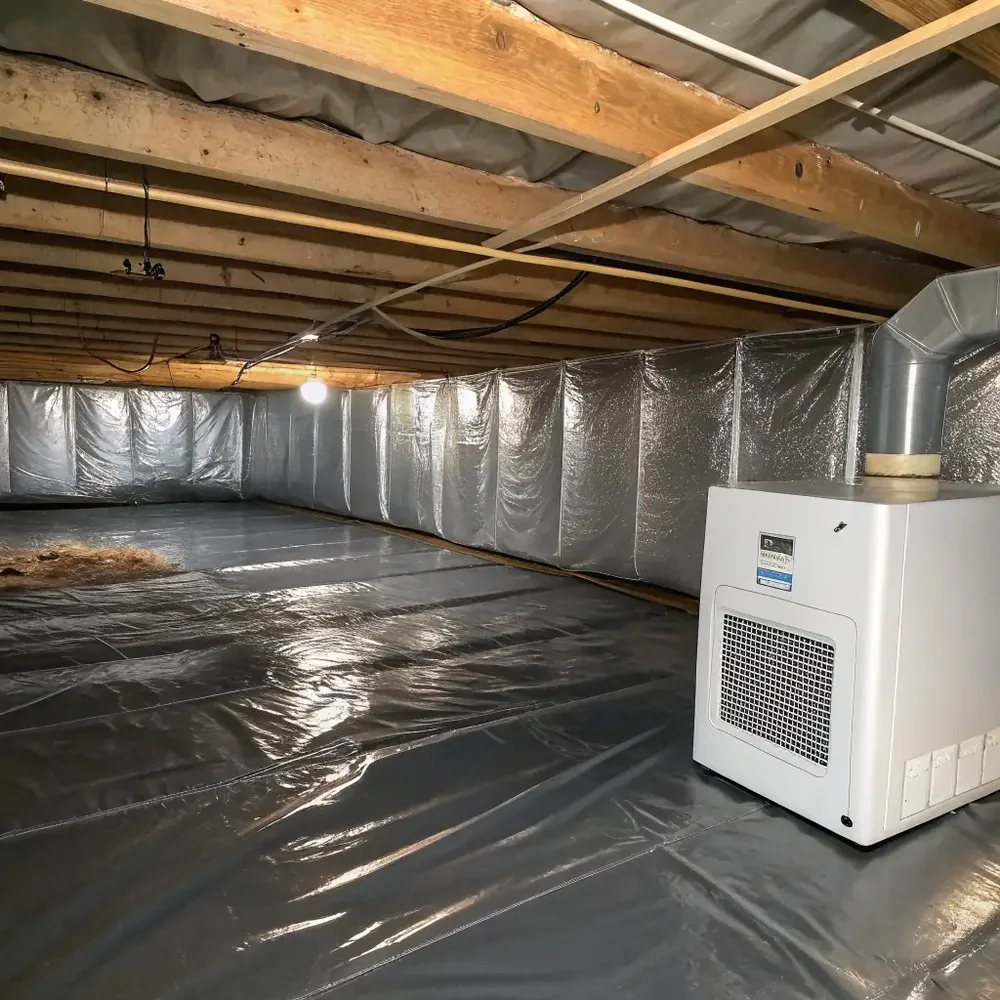
Humidity control selected for the size, drainage, and actual moisture load of the space.
Learn about dehumidifiers →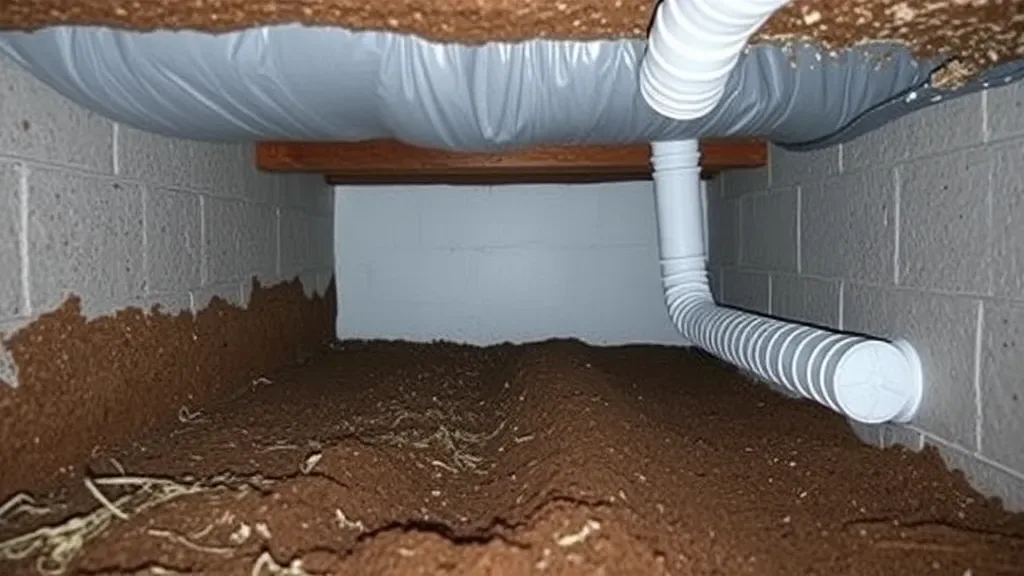
Standing-water solutions may include drainage paths, sump systems, and exterior corrections.
See water-control options →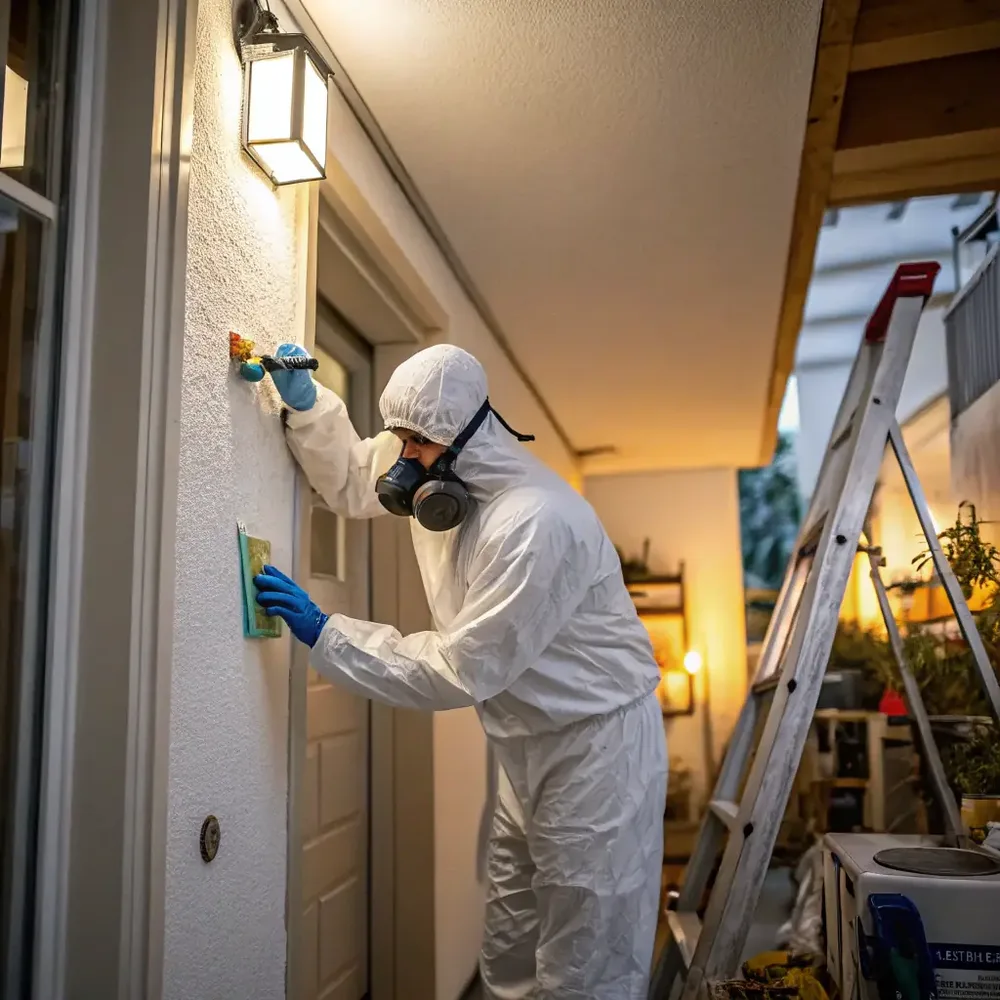
Cleanup paired with moisture correction so the work addresses the conditions behind the growth.
Review our mold-removal approach →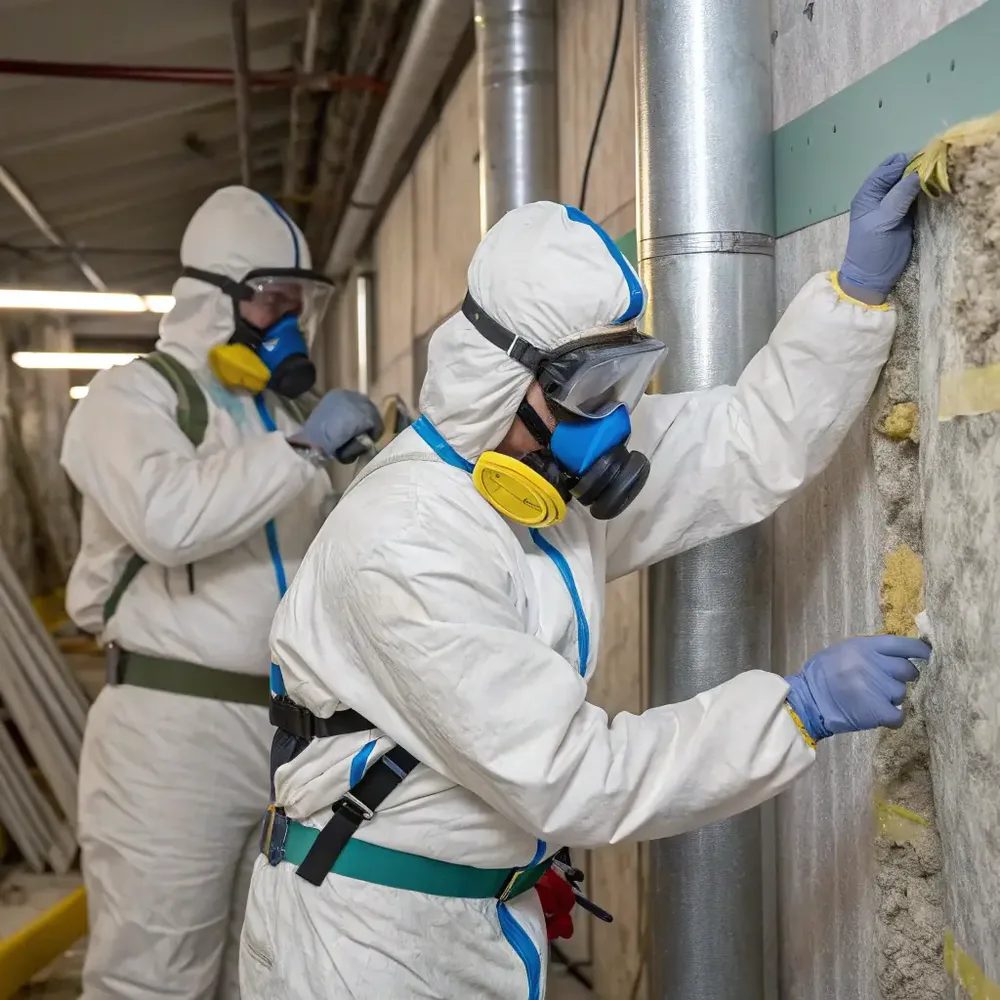
Removal of wet or falling insulation and a plan for the correct thermal boundary after sealing.
Explore insulation options →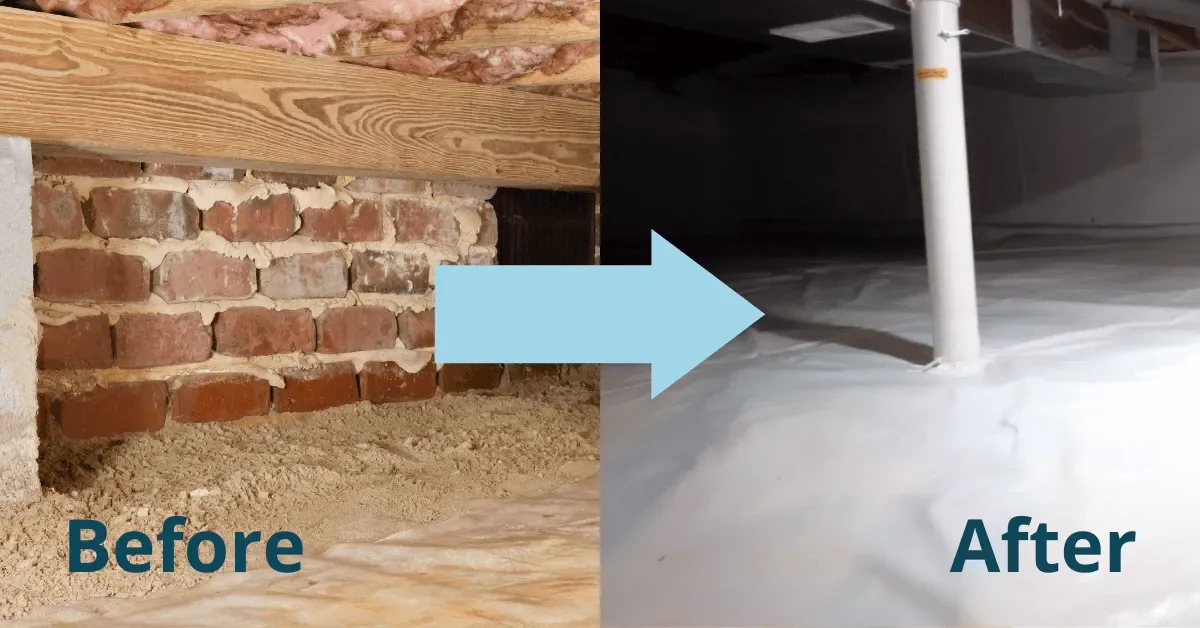
Before and after
A successful system separates the structure from soil vapor, limits humid outside air, controls bulk water, and makes future inspections easier.
Crawl space encapsulation cost
Two crawl spaces with the same square footage can require very different work. Cleanup, access, water, liner coverage, insulation, drainage, and dehumidification all affect the final scope.
See the Complete Cost GuideA clear five-step process
Access, moisture, drainage, insulation, ducts, framing, vents, and visible conditions.
Photos and a direct explanation of what is happening and what is optional.
Debris and affected materials are addressed before the finished system goes in.
The approved liner, air-sealing, drainage, insulation, and equipment are installed.
We review the finished work and explain maintenance and equipment operation.
Family-run since 2001
Redline Restorations is part of Urban Fresh Services LLC, a family-run company serving customers since 2001. We bring that same hands-on ownership, direct communication, and attention to detail to crawl space projects throughout Metro Atlanta.
We inspect the entire crawl space, explain what is causing the moisture problem, and provide a written scope before work begins. The goal is a solution that fits the home—not a one-size-fits-all sales package.
Learn About Our Company →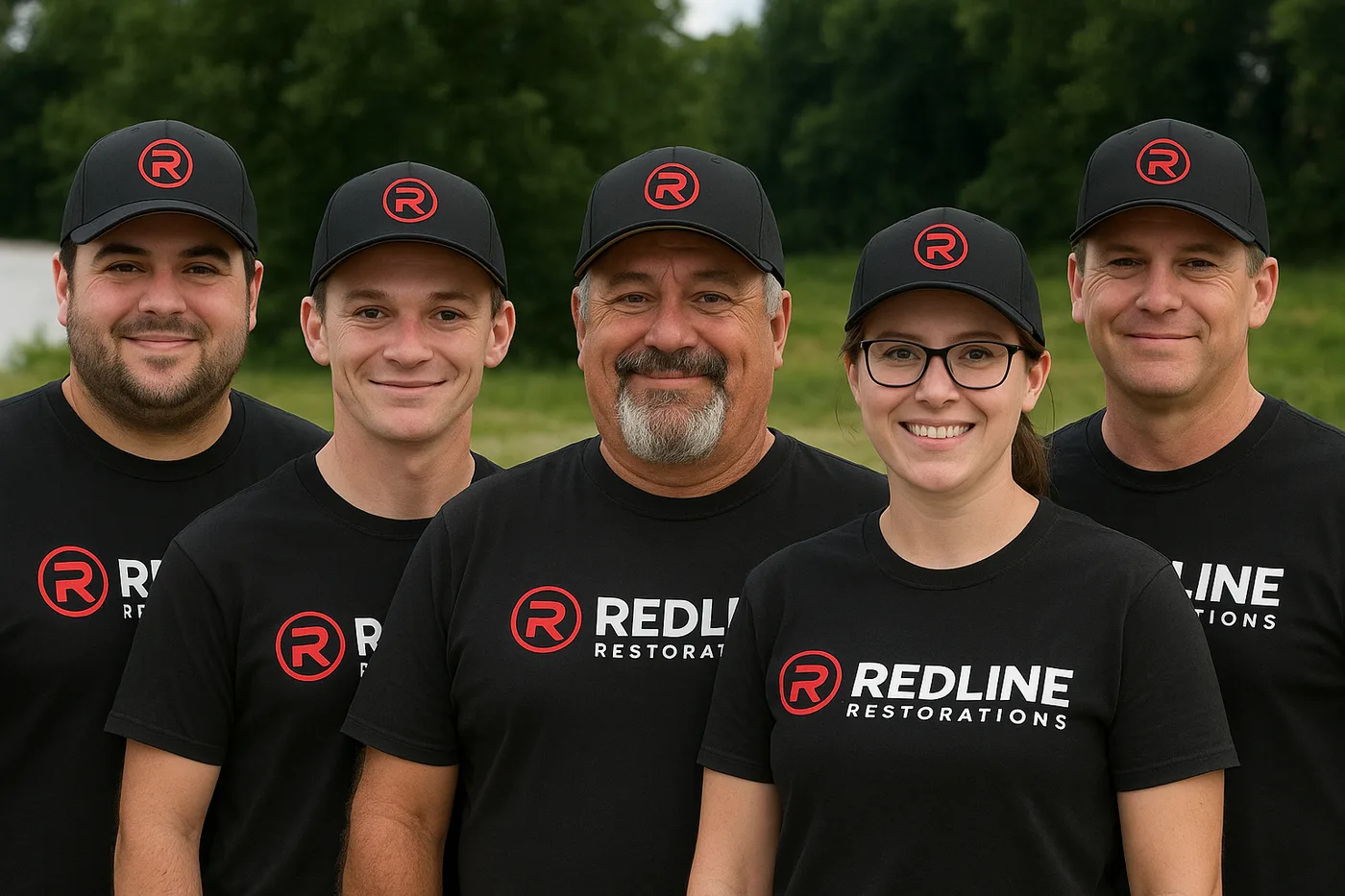
Basement and crawl-space combinations
Homes with a full basement under one section and a crawl space under another can move moisture and air between both areas. Treating only the visible crawl-space floor may leave an open wall, doorway, duct chase, drain path, or pressure connection that continues to affect the house.
For a basement crawl space encapsulation project, the inspection should trace how the two foundation areas connect, where water can travel, and how equipment will drain and remain accessible. The written proposal should state clearly which area is being sealed and which conditions require a separate basement solution.
See what a complete inspection covers →Questions homeowners ask
Clear answers about cost, vapor barriers, standing water, dehumidifiers, mold, and moisture control.
View All QuestionsA basic vapor barrier mainly covers the soil. Full encapsulation extends the liner to foundation walls and piers, seals seams and exterior openings, and may add drainage or dehumidification when conditions require it.
The cost depends on square footage, crawl height, access, cleanup, water entry, mold conditions, insulation, liner coverage, drainage, and whether equipment is needed. We provide a written quote after inspecting the space.
No. A dehumidifier should be recommended when the expected moisture load cannot be managed reliably by sealing and drainage alone. The unit also needs a dependable way to drain.
Encapsulation blocks ground vapor but should not trap active water beneath the liner. Standing water needs to be traced and controlled with drainage, grading, gutter, downspout, sump, or other corrections before the system is finished.
Yes, when mold cleanup is part of the agreed scope. The inspection also looks for the moisture source because cleanup without moisture control can leave the same conditions in place.
Compare Atlanta contractors
Before choosing among crawl space encapsulation contractors, compare the preparation, water-management plan, liner coverage, attachment details, dehumidifier drainage, service access, exclusions, and final documentation. Two proposals can use the same word—“encapsulation”—while describing very different work.
The quote should identify what is being removed, cleaned, sealed, installed, rerouted, or left in place.
Active water paths should be addressed before they are hidden under a finished floor liner.
Pumps, drains, filters, valves, and HVAC components should remain visible and maintainable.
Metro Atlanta service area
Start with the city page closest to your home or contact us directly if your community is not listed.
Why Atlanta crawl spaces become difficult to control
The crawl space sits between the ground and the occupied home. In warm weather, humid air can enter through vents, doors, gaps, and penetrations. Moisture can also evaporate from exposed soil, move through damp masonry, or arrive as liquid water after rain. Cooler ducts, pipes, and foundation surfaces can then collect condensation.
That combination explains why a crawl space may smell musty without visible standing water, why insulation becomes dirty or falls, and why a dehumidifier can run continuously when the air and water leaks have not been corrected first.
Our inspection separates these pathways so the proposal is organized in the correct order: water management, removal and preparation, air and vapor control, humidity control, insulation, and maintenance.
For fresh homeowner advice and new project topics, read the Atlanta crawl space blog.
What makes a complete scope