Atlanta crawl space resource center
Understand the Problem Before You Buy the Solution
Use these guides to compare encapsulation systems, diagnose moisture, prepare for an inspection, understand cost factors, and maintain the finished crawl space.
Request a Free Inspection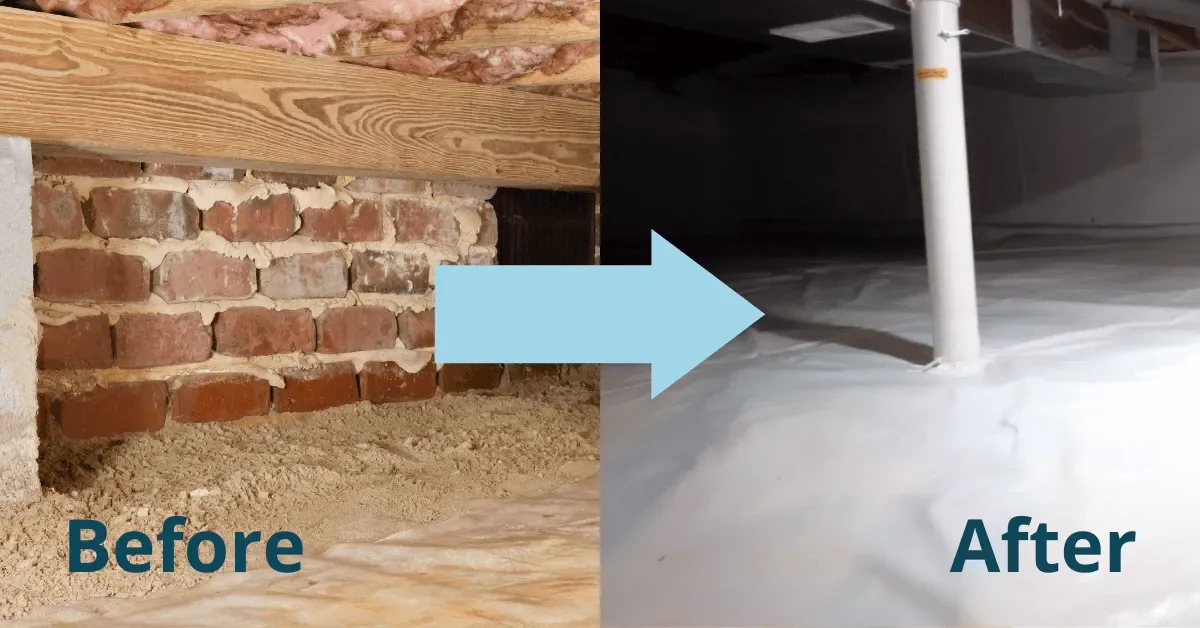
Start with the question you have now
Homeowner Guides
Crawl Space Inspection
What a complete inspection covers, what to prepare, and how findings become a written scope.
02Moisture Problems
Separate ground vapor, runoff, groundwater, humid air, condensation, plumbing, and material damage.
03Encapsulation vs. Vapor Barrier
Compare floor-only plastic with a complete sealed crawl-space system.
04Encapsulation Cost
See the conditions that change price and the checklist every written quote should include.
05Maintenance Guide
Protect the liner, drains, dehumidifier, pumps, access door, and exterior water-management system.
06Complete FAQ
Answers about water, mold, insulation, humidity, equipment, preparation, and the installation process.
New articles and project topics
Visit the Atlanta Crawl Space Blog
Read practical articles about crawl space moisture, encapsulation, vapor barriers, dehumidifiers, mold conditions, insulation, drainage, costs, and maintenance. New posts will be published through our TrySoro blog feed.
Read the Crawl Space BlogTopics we cover
- Moisture diagnosis and inspection questions
- Encapsulation system comparisons
- Drainage and humidity-control decisions
- Maintenance and homeowner checklists
Service guides
Learn What Each Part of the System Does
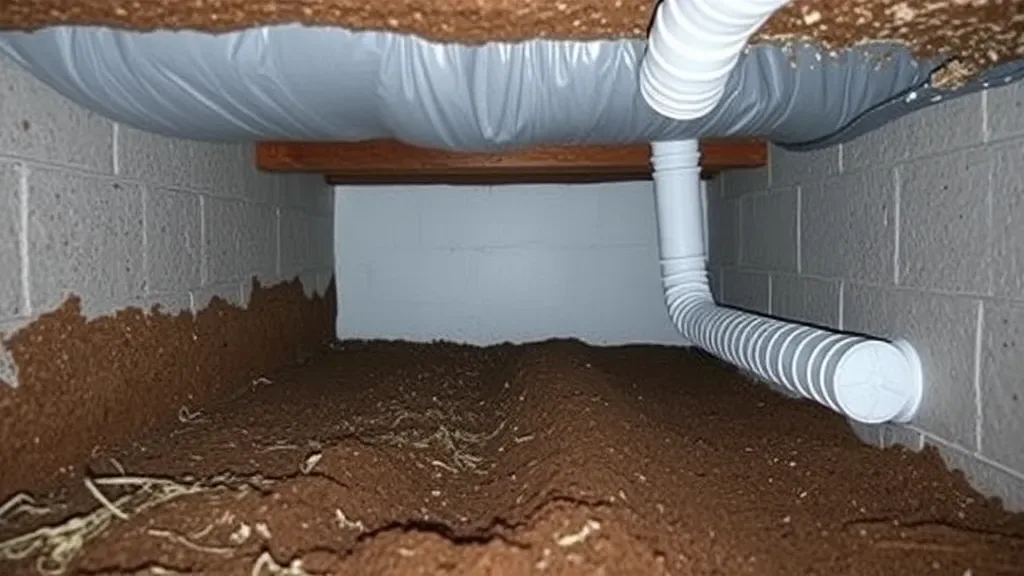
A complete crawl-space plan may combine several services. Read each guide separately so you know why it belongs in the proposal.
A better contractor conversation
Use the Guides to Ask Better Questions
The strongest proposal is not necessarily the longest or most expensive. It is the one that connects each line item to a documented condition beneath the home.
- What is the moisture source?
- Is liquid water controlled before the liner goes down?
- What materials are removed, cleaned, or left in place?
- Exactly where does the liner begin and end?
- How are seams, piers, vents, doors, and penetrations handled?
- Why is a dehumidifier, sump, or insulation change needed?
- What maintenance remains after completion?
How to use this resource center
Move From Symptom to Diagnosis to Written Scope
Homeowners often begin with a product search because a liner, dehumidifier, sump pump, or mold treatment is easy to name. The better sequence begins with the symptom and the moisture path.
- Describe what changes. Note whether odor, water, condensation, or humidity follows rain, hot weather, plumbing use, or HVAC operation.
- Document the space. Photos of the access, soil, walls, insulation, ducts, pipes, and existing plastic help reveal patterns.
- Inspect before pricing. A reliable proposal connects every line item to a condition that was actually found.
- Compare equal scopes. Make sure each contractor includes the same preparation, drainage, coverage, equipment, exclusions, and maintenance.
- Protect the finished system. Keep drains, pumps, filters, discharge routes, and the liner accessible after installation.
Words contractors should define
- Ground cover
- Material placed over exposed soil to reduce evaporation.
- Vapor barrier
- A low-permeance layer intended to limit water-vapor movement.
- Encapsulation
- A more complete sealed boundary across the floor and, where designed, walls, piers, openings, and penetrations.
- Conditioned crawl space
- A closed crawl space with a designed method for temperature and moisture control.
- Drainage
- A route that collects and removes liquid water before it is hidden by the liner.
- Relative humidity
- The amount of moisture in the air relative to what that air can hold at its current temperature.
- Condensation
- Liquid water that forms when moist air contacts a surface cold enough to reach the dew point.
- Thermal boundary
- The insulation layer separating conditioned space from unconditioned space.
When to call promptly
Do Not Wait on Active Water or Material Damage
Schedule an inspection when water remains after storms, insulation is wet or falling, wood feels soft, odors enter the home, equipment alarms, or new condensation appears. Stop and use the appropriate emergency or licensed trade for active electrical hazards, gas concerns, major plumbing leaks, or suspected structural instability.
What to bring to the conversation
History Makes the Inspection More Useful
Share previous repair invoices, home-inspection reports, termite documents, plumbing or HVAC work, and photos taken during wet weather. A dry crawl space on inspection day can still be diagnosed more accurately when the history is documented.
Request the InspectionTrusted external references
Independent Building-Science and Homeowner Guidance
These public resources support the same inspection-first principle used throughout this website: identify the moisture path, correct liquid water and leaks, create a continuous boundary where appropriate, and select equipment around the actual load.
External guidance is provided for homeowner education. Project recommendations must still be based on the construction, conditions, codes, and manufacturer requirements applicable to the individual home.