Encapsulation vs. vapor barrier
Understand the Difference Before Comparing Quotes
A contractor can use the words “vapor barrier,” “seal,” and “encapsulation” to describe very different scopes. The proposal should define the actual coverage and details.
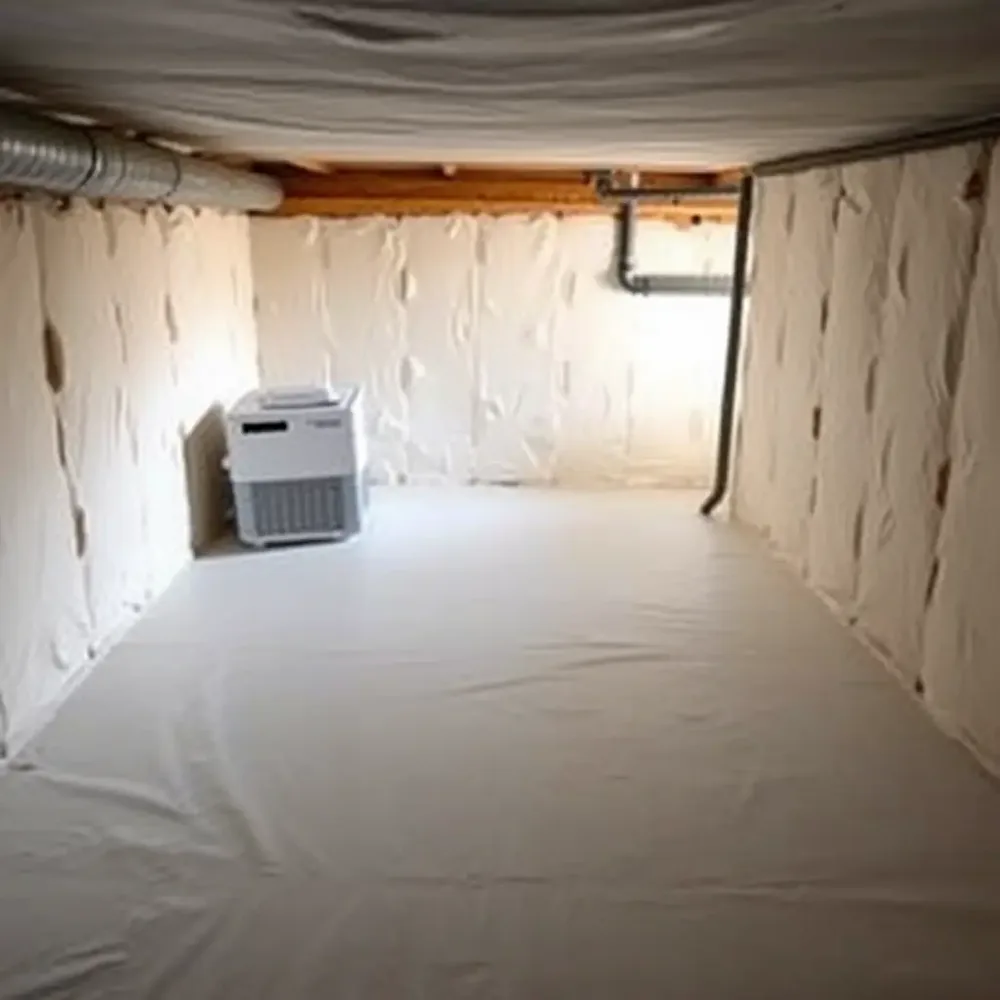
A basic crawl space vapor barrier primarily covers exposed soil. Full encapsulation creates a more complete air-and-vapor boundary and may include wall and pier coverage, sealed seams, vent and door treatment, drainage, dehumidification, and insulation changes. The quote should define the boundary rather than rely on the product name.
Side-by-side comparison
What Each Term Usually Means
The exact definition belongs in the written proposal. This comparison shows the practical difference between common scopes.
When a ground cover may be enough
A Basic Barrier Can Still Be Useful
A well-installed ground cover can reduce evaporation from exposed soil. It may be a reasonable scope when liquid water is controlled, outside-air and humidity conditions are acceptable for the design, and the homeowner does not need a fully sealed crawl space.
“Basic” should not mean careless. The floor should be prepared, sharp debris removed, seams overlapped and sealed as specified, penetrations detailed, and the material secured so future service work does not leave large openings.
When full encapsulation makes sense
Use a Complete Boundary When the Whole Space Must Be Controlled
Full encapsulation is designed for homes where soil vapor, humid air, wall moisture, dirty insulation, equipment, or recurring odor requires a more complete strategy. It creates a defined boundary that can work with drainage, dehumidification, and an insulation plan.
The final design should still leave termite inspection areas, drains, plumbing, electrical components, and mechanical equipment accessible as required.
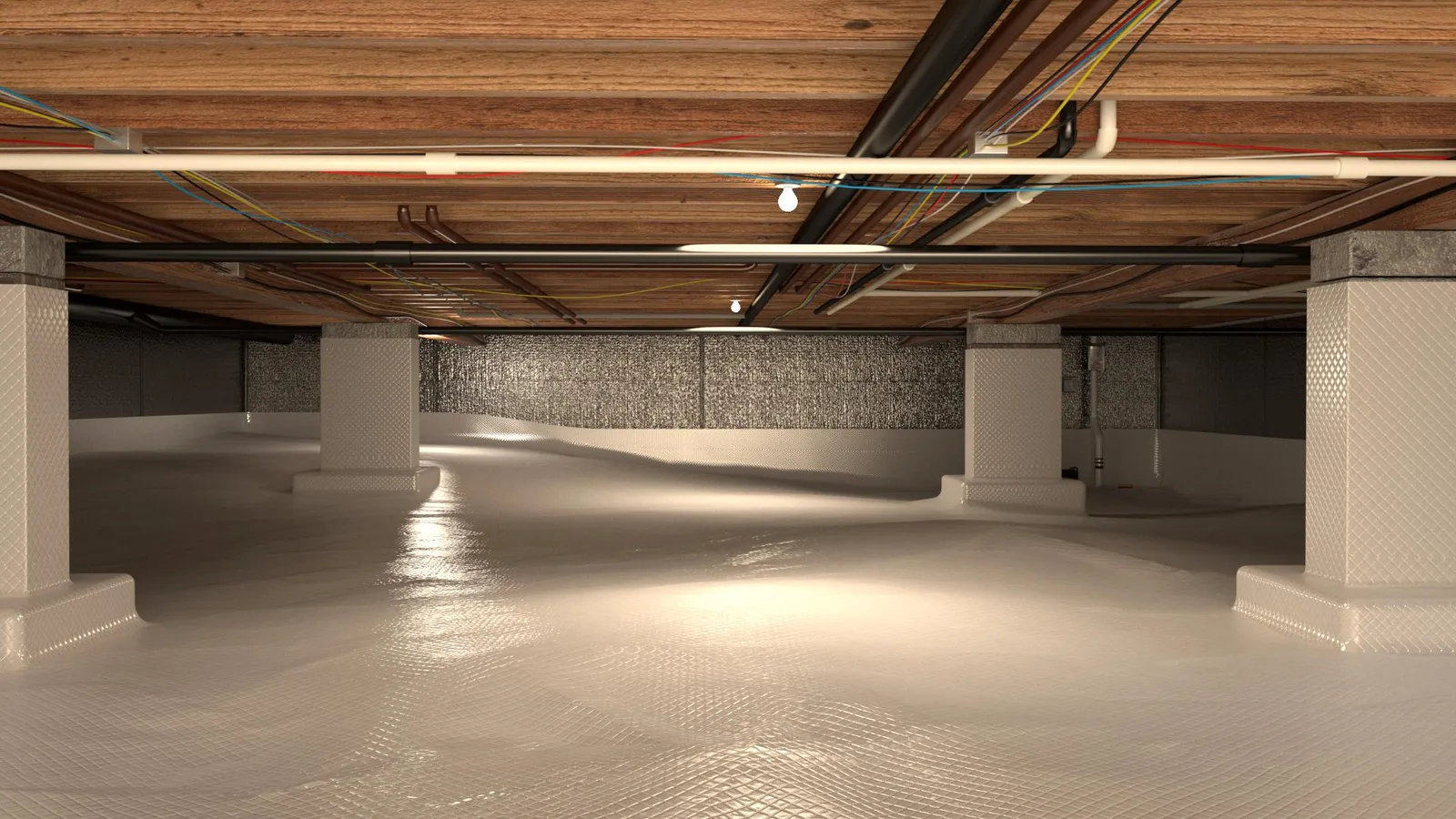
Details that matter more than a product name
Judge the Installation at the Edges
- Was debris and old material removed first?
- Was standing water traced and controlled?
- Are seams sealed rather than simply overlapped?
- Are piers, pipes, supports, and corners carefully detailed?
- Is the liner attached securely without blocking required access?
- Are vents, doors, and penetrations part of the air-sealing scope?
- Does the dehumidifier have proper capacity, airflow, power, and drainage?
- Can plumbing, drains, equipment, and termite inspection areas still be reached?
Quote comparison checklist
Make Every Contractor Price the Same Scope
Comparison questions
Know Which System You Are Actually Buying
We can inspect the space and explain the difference between a ground-cover scope and a complete encapsulation system.
Request a Free InspectionIs a vapor barrier the same as encapsulation?
No. A vapor barrier may cover only the exposed ground. Encapsulation creates a more continuous boundary that can include the ground, walls, piers, vents, access door, seams, penetrations, drainage, insulation, and humidity control.
When is a floor-only vapor barrier appropriate?
It may be appropriate when the main goal is reducing soil vapor and the crawl space does not require a sealed, conditioned, or mechanically dried design. The decision still depends on water, air leakage, code, and material conditions.
Does thicker plastic automatically mean a better system?
Thickness affects durability, but workmanship, seam sealing, wall attachment, puncture protection, preparation, drainage, and access details can be equally important.
Can I upgrade a vapor barrier to full encapsulation later?
Often yes, but the existing material and installation must be inspected. Old plastic may need to be removed if it is damaged, contaminated, poorly placed, or hiding water.
Which option costs more?
Full encapsulation normally includes more material, preparation, sealing, and possibly equipment or drainage. A written quote should define exactly what each option includes so the prices are comparable.