01
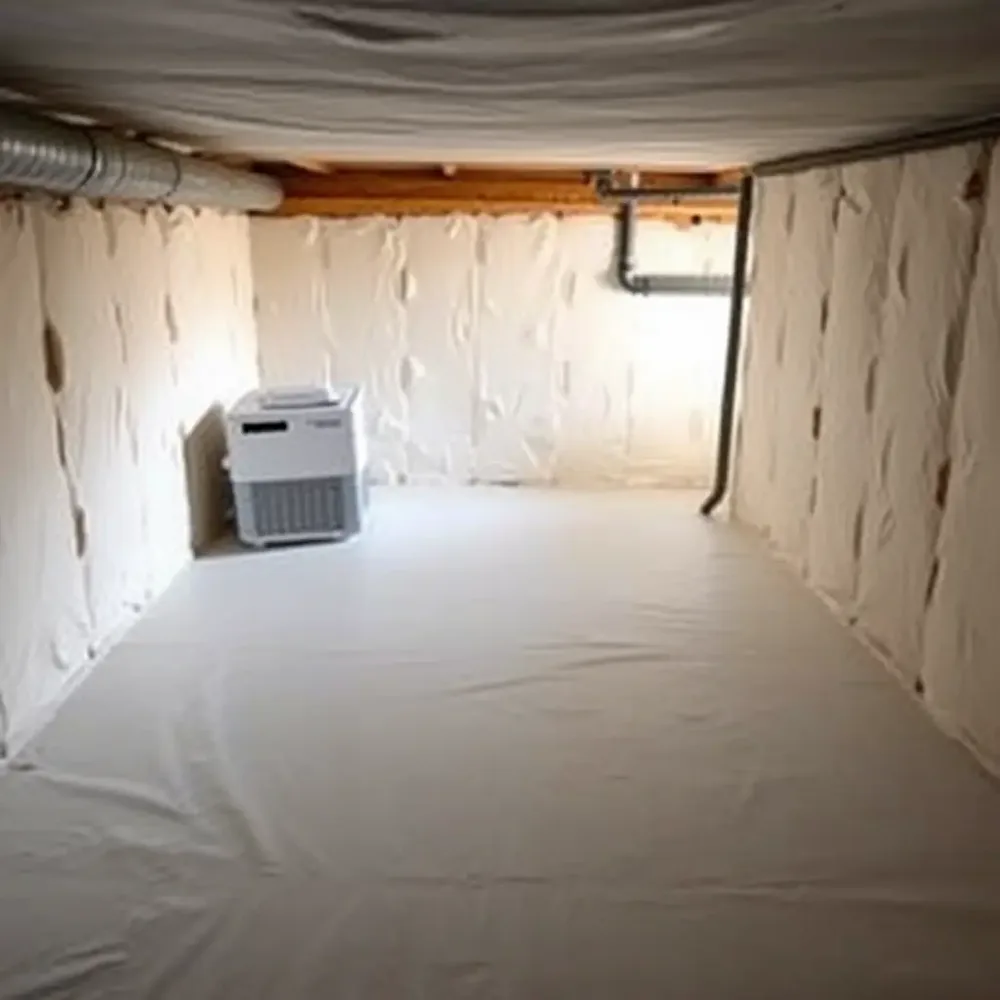
Crawl Space Encapsulation
A complete system that separates the home from ground vapor and humid outside air.
See the encapsulation process →Atlanta crawl space services
Use the service pages to compare the parts of a complete system before you request an inspection.
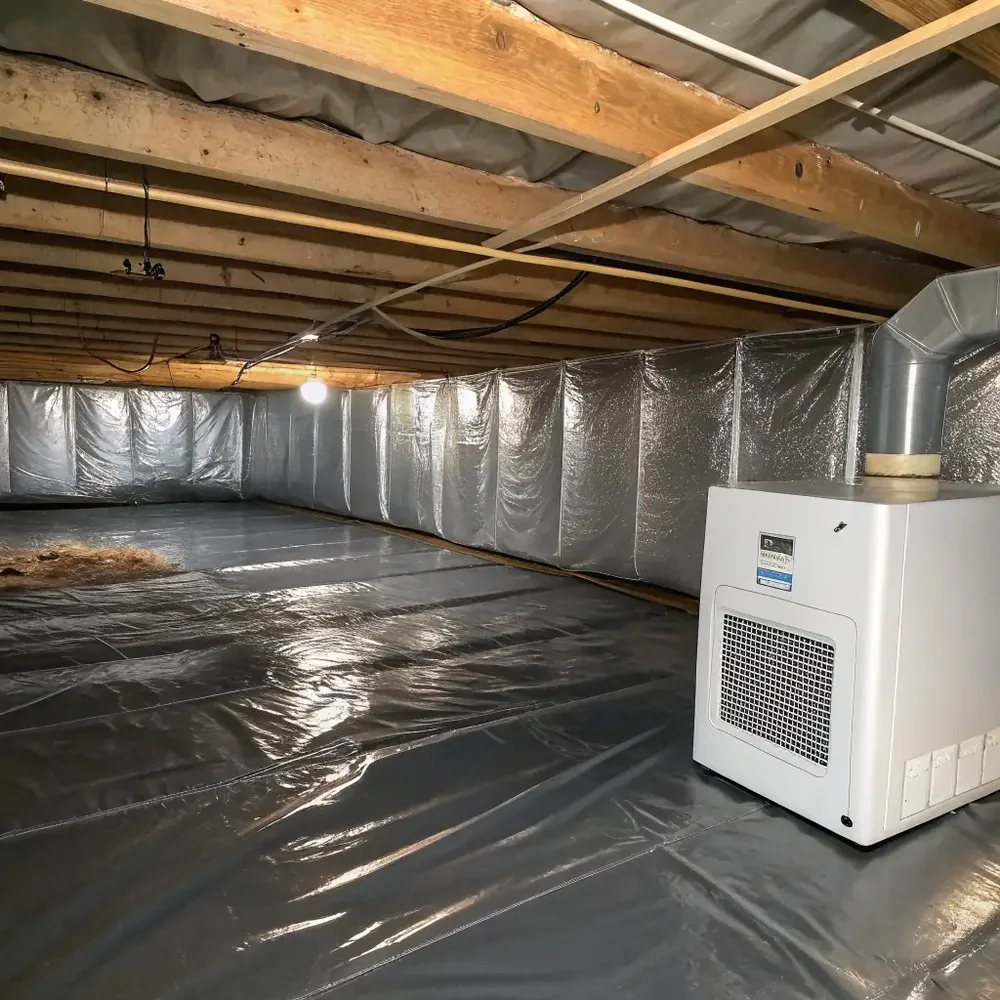
A complete system that separates the home from ground vapor and humid outside air.
See the encapsulation process →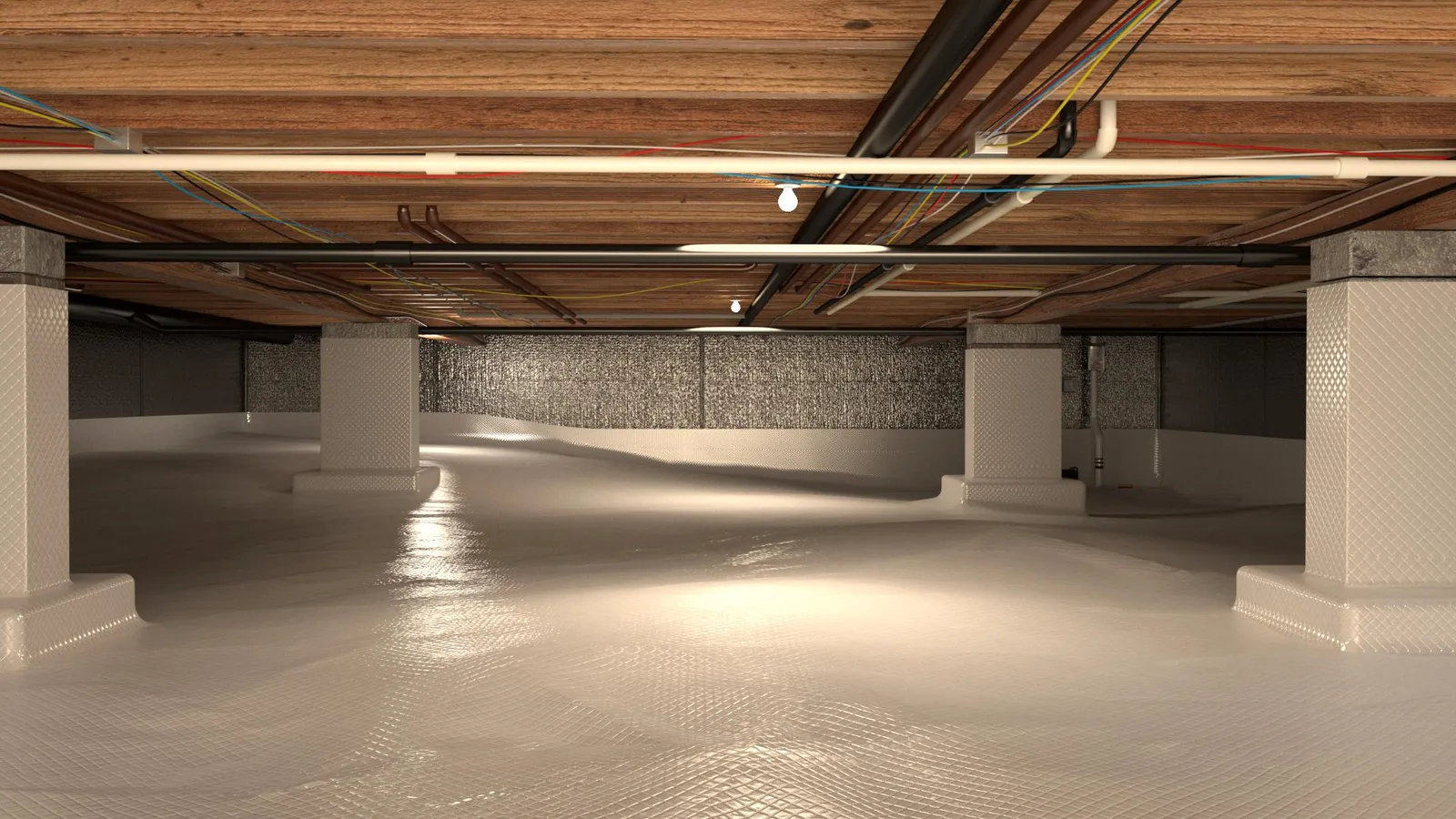
Professional floor and wall liners with sealed seams, edges, piers, and penetrations.
Compare barrier options →Humidity control selected for the size, drainage, and actual moisture load of the space.
Learn about dehumidifiers →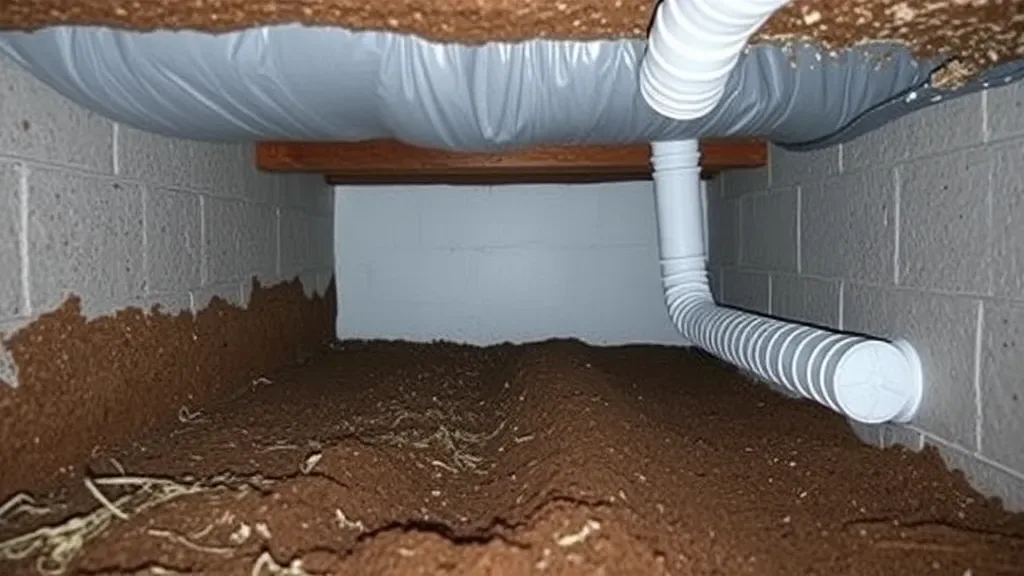
Standing-water solutions may include drainage paths, sump systems, and exterior corrections.
See water-control options →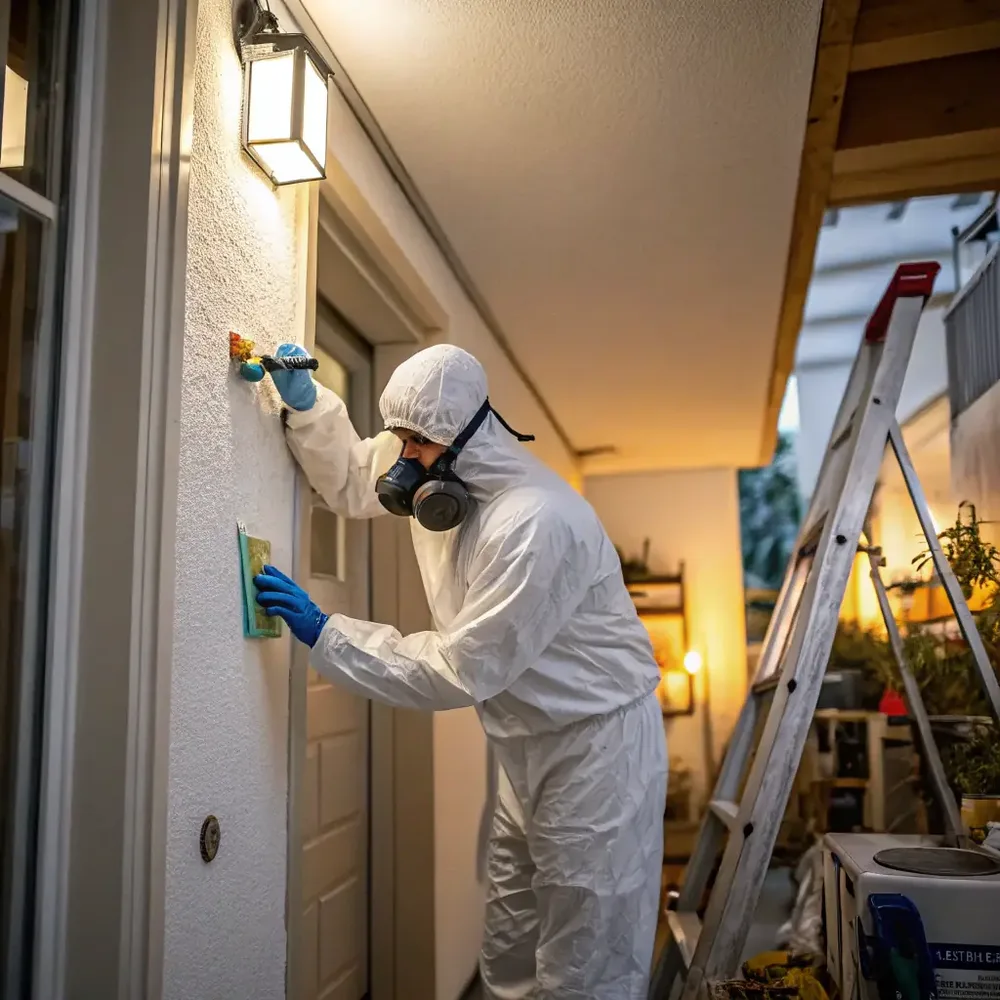
Cleanup paired with moisture correction so the work addresses the conditions behind the growth.
Review our mold-removal approach →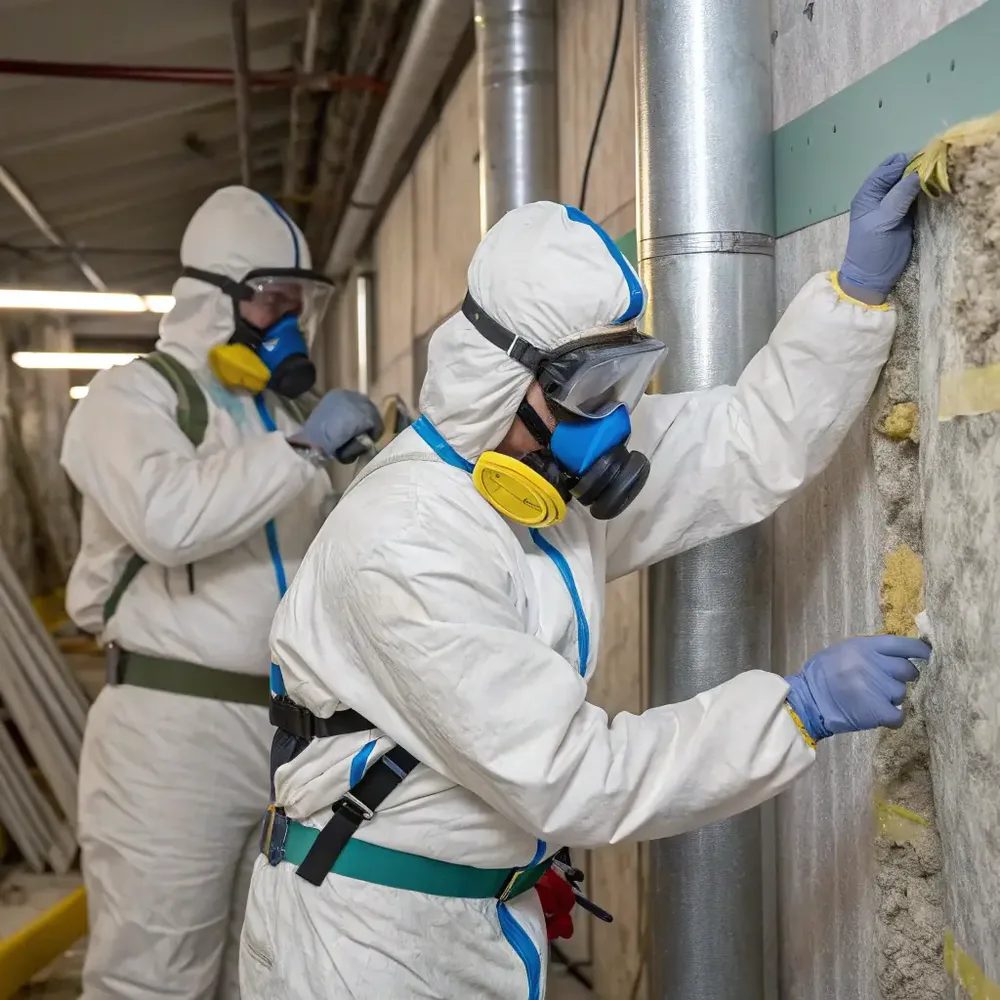
Removal of wet or falling insulation and a plan for the correct thermal boundary after sealing.
Explore insulation options →Start with symptoms
You do not have to diagnose the crawl space before calling. Tell us what you notice—odor, moisture, water, insulation, mold, pests, cold floors, or high humidity—and we will inspect the conditions beneath the home.
Tell Us What You Are SeeingHow the services fit together
Establish the current water, vapor, air, insulation, wood, equipment, and access conditions before work is priced.
Inspection guide →Correct roof runoff, grading, seepage, low points, drains, sump needs, plumbing, and discharge before final sealing.
Waterproofing and drainage →Remove debris, failed liners, wet insulation, and affected material that would block inspection or clean installation.
Cover soil and, where required, walls and piers; seal seams, penetrations, vents, and the access door.
Compare system types →Add a properly designed conditioning method or crawl-space dehumidifier only after the major moisture loads are controlled.
Dehumidifier guide →Define the thermal boundary, protect service access, and leave the homeowner with a maintenance schedule.
Maintenance guide →Start with the symptom
What belongs in the written proposal
“Encapsulation,” “waterproofing,” or “mold treatment” can each mean a small repair or a complete system. The proposal should describe the measurable work: quantities, locations, preparation, coverage, attachment, drainage, equipment, disposal, access, and exclusions.
Where the condition is uncertain until material is removed, the proposal should explain how hidden damage or a change order will be handled rather than leaving the homeowner to guess.
When a service may not be needed
Not every crawl space needs full wall encapsulation, a new dehumidifier, a sump pump, mold treatment, and complete insulation replacement. A dry space with a sound ground cover may need a limited repair. A plumbing leak may need a plumber before any crawl-space work. A soft floor may require structural evaluation in addition to moisture control.
We would rather define the actual condition and the boundary of our work than force every home into the same package.
The whole-home connection
Crawl spaces contain utilities and support systems that other contractors must reach. The moisture-control plan should leave those systems serviceable and should coordinate the order of work so a new liner is not immediately cut or contaminated.
When another trade is required first, that dependency should appear in writing.