Vapor control
The liner separates the crawl space from soil moisture and, in full systems, foundation-wall vapor.
Crawl space insulation
Remove wet or failing material, inspect what it was hiding, and choose insulation that matches the finished crawl space.
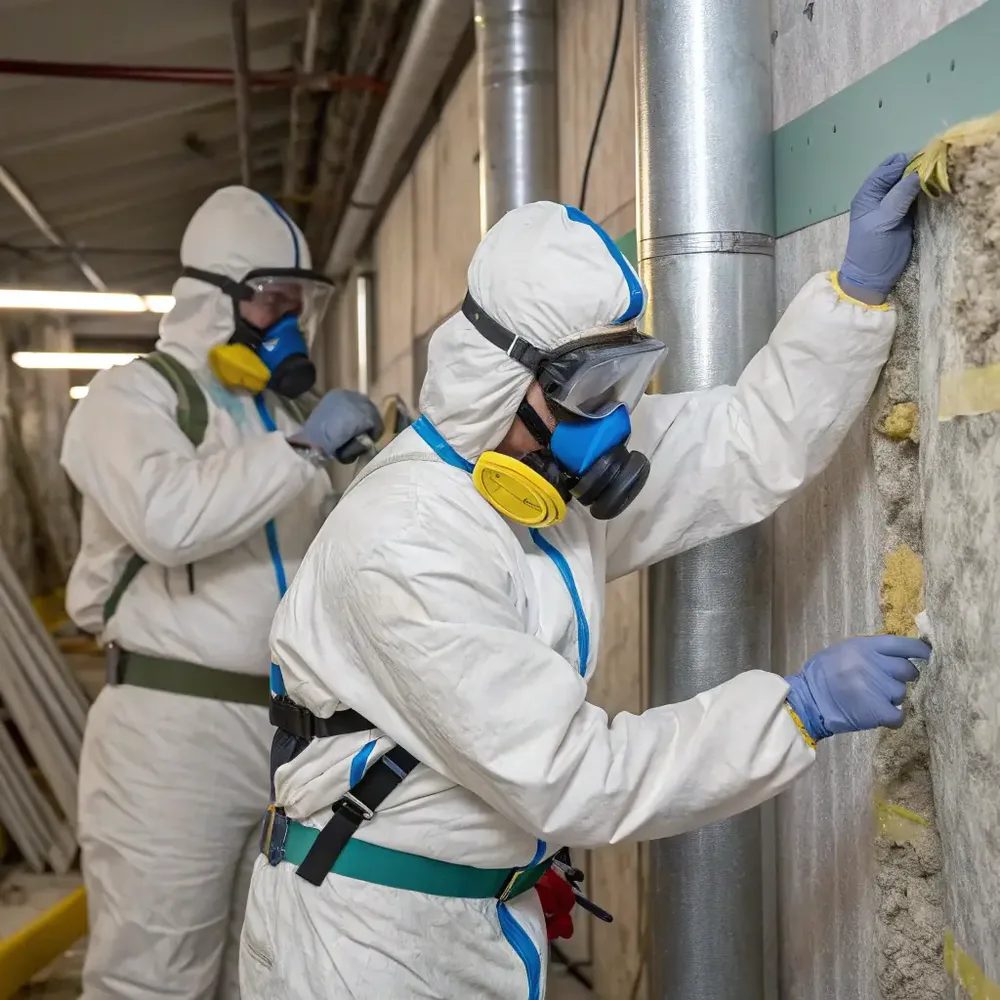
Insulation in a crawl space should be evaluated after the moisture source and final crawl-space design are clear. Wet, fallen, contaminated, or poorly supported material may need removal. The replacement approach depends on whether the crawl space remains vented or becomes part of a sealed moisture-control system.
Remove what no longer works
Before replacing insulation in crawl space areas, determine why the existing material is wet, sagging, dirty, compressed, or missing. New insulation should follow the moisture, air-sealing, drainage, and thermal-boundary plan—not cover an unresolved problem.
Old fiberglass can hold dirt, conceal framing and plumbing, and continue falling after the crawl space is sealed. When removal is part of the scope, the area can be inspected and air-sealed more completely.
The replacement strategy depends on whether the crawl space will remain vented or become part of the conditioned building enclosure.
Insulation and encapsulation
The liner separates the crawl space from soil moisture and, in full systems, foundation-wall vapor.
Vents, doors, seams, and penetrations are sealed to limit humid outside air and uncontrolled leakage.
Insulation is placed according to the final crawl-space design rather than copied from the old setup automatically.
Common questions
We inspect the home before recommending a system or piece of equipment.
Ask About Your Crawl SpaceWet, contaminated, damaged, or repeatedly falling insulation may need removal. The cause of moisture should also be corrected before replacement.
The answer depends on whether the crawl space remains vented or becomes sealed. In a sealed crawl space, the thermal boundary often changes, so insulation should match the final design and applicable requirements.
Sometimes, but it can hide framing, moisture, pests, or mold and can interfere with air sealing. The inspection determines whether it remains useful.
Moisture, gravity, failed supports, pests, compression, and repeated disturbance can cause batts to sag or fall.
No. Encapsulation controls vapor and air; insulation controls heat flow. They work together but perform different jobs.
Damaged or contaminated insulation may need removal during preparation, but replacement should be based on the final crawl-space design. First address leaks, bulk water, humidity, mold conditions, air leakage, and the intended thermal boundary. Then specify the correct material and location.
Where the thermal boundary belongs
Traditional vented crawl spaces often place insulation between the floor joists. A closed or conditioned crawl space may move the thermal boundary to the foundation walls and rim area. The correct approach depends on code, climate, combustion equipment, ductwork, drainage, and the final moisture-control design.
Simply removing wet fiberglass and installing the same material in the same damp environment can repeat the failure. Moisture and air leakage should be corrected before replacement.
Removal and replacement sequence
Identify wet, dirty, fallen, pest-damaged, or missing material and the reason it failed.
Take out affected material included in the scope so framing and penetrations can be inspected.
Correct leaks, water, air movement, and damaged supports before covering the area again.
Decide whether insulation belongs at the floor, walls, rim, ducts, or a combination.
Use materials and fastening appropriate for the environment and leave service areas accessible.
Comfort complaints
Missing insulation can matter, but air leakage, wet material, duct loss, pressure differences, floor construction, and the crawl-space design also affect comfort. Adding insulation without air sealing or moisture control may leave the original problem in place.
Combustion and code
Before vents are closed or the thermal boundary is moved, combustion appliances, ventilation, code requirements, termite inspection access, electrical conditions, and manufacturer instructions must be considered for the individual home.