Homeowner interview
We ask when the problem appears, where odors are noticed, whether water follows rain, and what repairs have already been attempted.
Crawl space inspection Atlanta
A liner, dehumidifier, or sump pump should not be the first decision. The first decision is understanding where moisture is coming from and what it has affected.
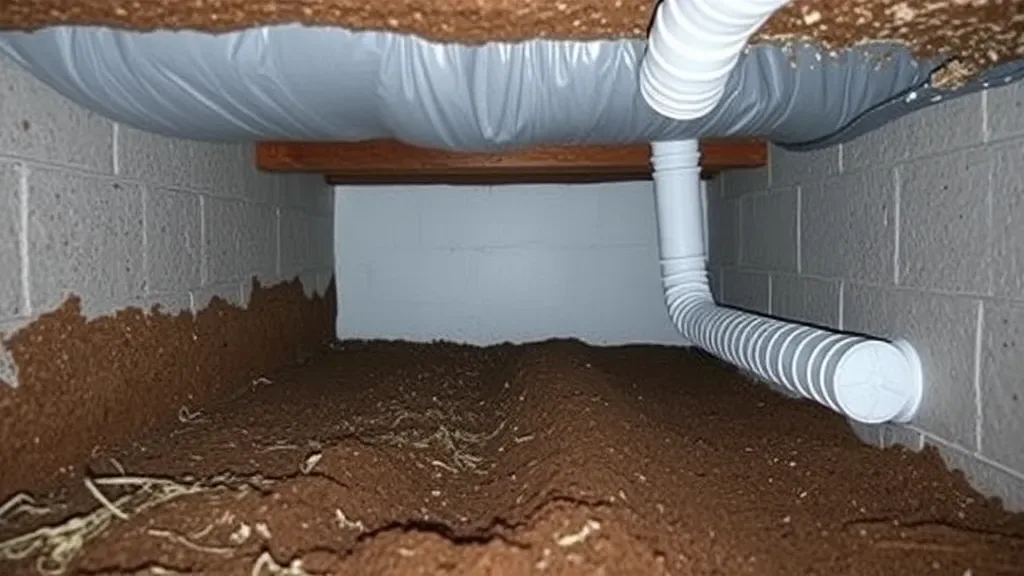
A complete crawl space inspection should distinguish bulk water, ground vapor, humid air, condensation, plumbing leaks, and damaged materials. It should also document access, walls, piers, vents, ducts, insulation, drains, gutters, downspouts, and the service clearances needed after work is complete.
What the inspection is for
A crawl space can be damp for several reasons at the same time. Moisture may evaporate from exposed soil, enter through foundation walls, flow in after storms, leak from plumbing, condense on cold ducts, or arrive with humid outside air. Each source points toward a different part of the solution.
A good inspection does not begin with a predetermined package. It records the conditions, looks for patterns, and explains which items are essential, which are optional, and which should be handled by another trade.
The goal is a written scope you can understand and compare—not a quick sales presentation built around one product.
The inspection sequence
We ask when the problem appears, where odors are noticed, whether water follows rain, and what repairs have already been attempted.
Where relevant, we look at grade, downspouts, discharge points, low areas, access doors, vents, and obvious routes that can deliver water to the foundation.
The floor, walls, piers, framing, insulation, ducts, pipes, drains, and existing moisture-control materials are checked and photographed.
We separate vapor, humid air, liquid water, plumbing leaks, condensation, and material damage instead of treating every symptom as the same problem.
The recommendation is organized in the correct order: stop liquid water, remove affected material, air-seal and line the space, then add drying or insulation where needed.
You receive a direct explanation of the findings, the proposed work, exclusions, maintenance, and any condition that requires a specialist.
Common inspection findings
These examples show why the crawl space must be inspected as a system.
What an inspection cannot replace
A crawl-space contractor can identify visible conditions and build a moisture-control scope, but the inspection is not a substitute for every specialty. Active plumbing leaks may require a plumber. Electrical hazards require an electrician. Suspected structural failure may require a qualified structural professional. Pest activity may require a pest-control company, and environmental testing should be performed by an appropriate testing provider when testing is requested.
Clear boundaries protect the homeowner. The proposal should state what is included, what is excluded, and what must happen before encapsulation begins.
Before the appointment
Inspection questions
The inspection is the first step toward a scope that fits the home rather than a generic package.
Schedule the InspectionThe time depends on access, size, clearance, debris, and how many separate areas must be checked. A useful inspection is long enough to document the whole space rather than looking only through the access opening.
No. Homeowners should not enter a low, wet, contaminated, or electrically unsafe crawl space. Photos and a clear walkthrough can be used to explain the findings.
It should. The inspection separates soil vapor, outside-air humidity, bulk water, plumbing leaks, insulation problems, and visible microbial growth so the recommended scope matches the actual conditions.
Yes, and wet-weather timing can reveal water paths that are difficult to see during a dry period. The inspector still needs to distinguish stormwater, groundwater, plumbing leaks, and condensation.
Make sure the crawl-space door is accessible, secure pets, note when odors or water appear, and gather any prior reports, repair invoices, or photos that may help explain the history.
Georgia homeowner reference
University of Georgia Cooperative Extension provides a mold and moisture home-inspection checklist that includes humidity, joists, drains, foundation cracks, gutters, downspouts, and crawl-space ground cover.