Inspect conditions
Document visible areas, moisture, insulation, framing, access, and possible water sources.
Crawl space mold removal
A responsible scope addresses visible growth, affected materials, and the water or humidity that made the problem possible.
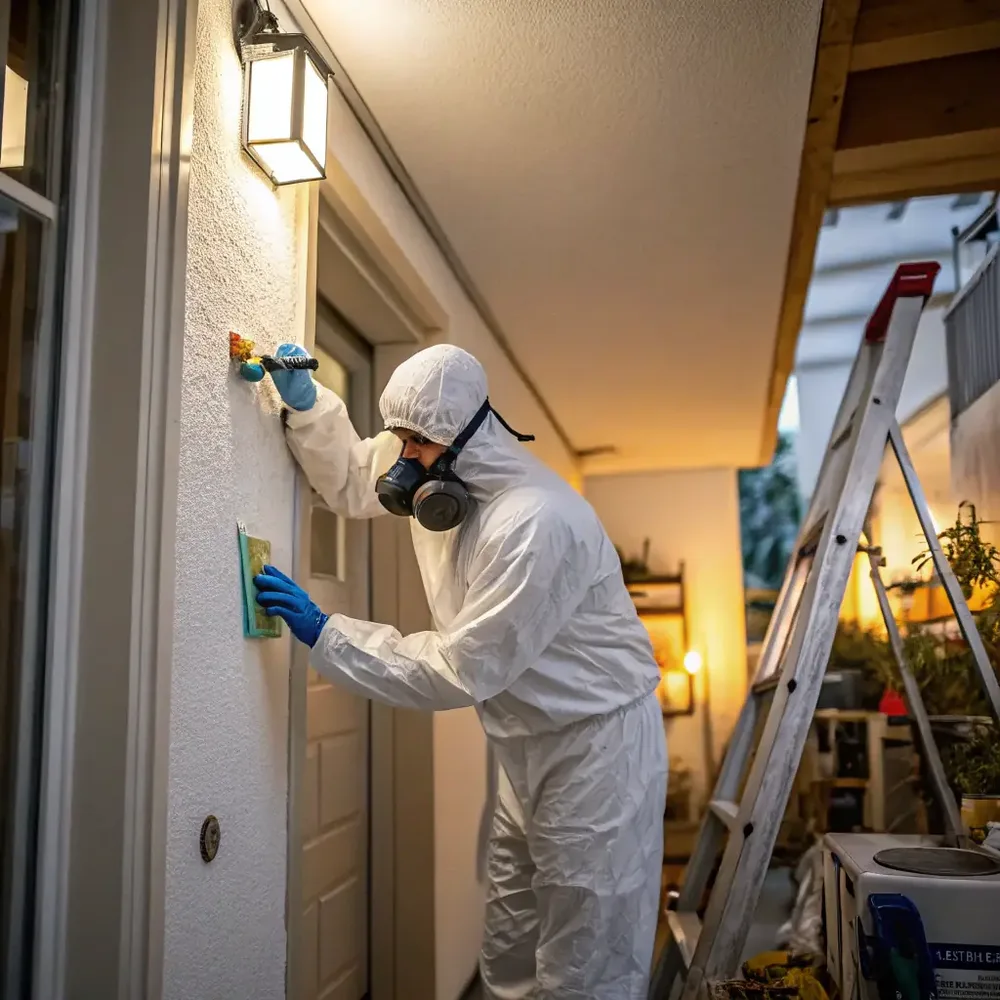
Crawl space mold cleanup should be paired with correction of the water or humidity problem that allowed growth. The scope should identify affected materials, the cleaning or removal method, containment or protection needs, drying, and how the crawl space will remain controlled after cleanup.
Cleanup plus prevention
Crawl space growth is often connected to humid air, wet soil, drainage, plumbing leaks, condensation, or damaged insulation. Cleaning without correcting those conditions can leave the same environment in place.
We define the visible work area, protect access routes, remove or clean materials included in the scope, and connect the cleanup to a moisture-control plan.
A responsible remediation sequence
Document visible areas, moisture, insulation, framing, access, and possible water sources.
Separate cleaning, material removal, testing, moisture correction, and optional work.
Use appropriate personal protection and containment practices for the selected method.
Address affected surfaces and materials included in the written proposal.
Repair leaks, improve drainage, seal vapor, and control humidity as required.
Review the treated areas, remaining exclusions, and moisture-control system.
Common questions
We inspect the home before recommending a system or piece of equipment.
Ask About Your Crawl SpaceYes, if moisture remains high or materials continue getting wet. That is why the remediation scope should include a plan for water, humidity, ventilation, leaks, and insulation.
Visual inspection and cleanup scope are different from laboratory testing. When identification or clearance testing is required, an independent qualified testing professional may be appropriate.
No. Encapsulation changes moisture conditions but is not a substitute for cleaning or removing affected materials included in the remediation scope.
Insulation that is wet, contaminated, damaged, or blocking access may need removal. The decision depends on condition and the agreed scope.
No responsible contractor can guarantee that a building will never experience future moisture or growth. The goal is to clean affected areas and correct the conditions that can support recurrence.
Cleanup and source control
Visible growth can return when wet soil, leaks, standing water, high humidity, condensation, or damaged insulation remain. The scope should identify both the affected material and the condition that allowed it to stay damp.
Cleaning methods depend on the material, extent, access, occupant concerns, and whether damaged porous material must be removed rather than cleaned. The proposal should explain containment, personal protection, cleaning, disposal, drying, and post-work condition.
When to involve another professional
A contractor should not diagnose a medical condition. Homeowners with health concerns should consult a qualified healthcare professional. Independent environmental testing may be appropriate when the homeowner, insurer, buyer, seller, or project protocol requires laboratory identification or clearance.
Soft framing, significant decay, or movement may also require a qualified structural evaluation in addition to moisture correction.
Homeowner reference
The U.S. Environmental Protection Agency emphasizes that mold control depends on controlling moisture. General EPA guidance is available at epa.gov/mold. A crawl-space proposal should translate that principle into site-specific water, vapor, air, drying, and material-removal steps.
Review the moisture-source guide →What cleanup should not do
Coatings and encapsulation materials may be part of a defined system, but they should not substitute for evaluating affected material, removing debris, cleaning as required, drying the space, and correcting the moisture source.
After cleanup
The final walkthrough should document the cleaned area, remaining stains or limitations, moisture-control work, equipment settings, drains, and the conditions the homeowner must monitor. New water or humidity should be investigated promptly.
Independent homeowner guidance
For general health and cleanup guidance, review the U.S. Environmental Protection Agency resources below. Medical concerns should be discussed with a qualified healthcare professional.